
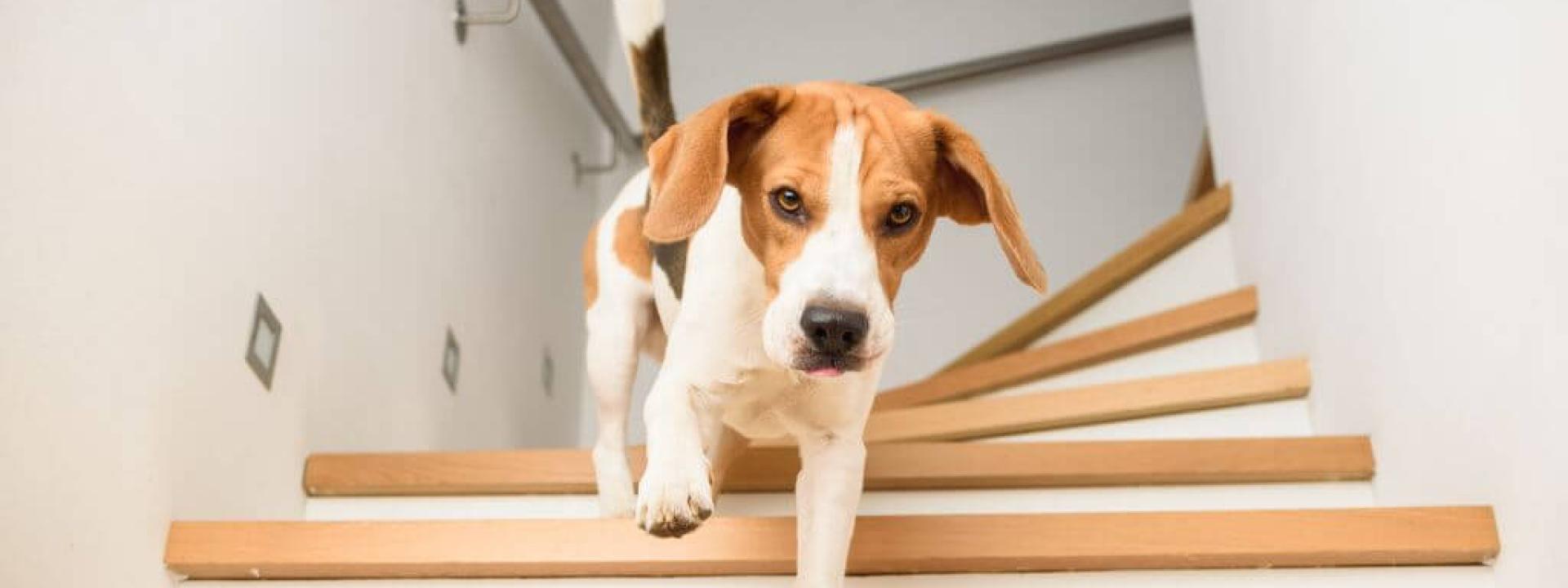
Does your dog hesitate before climbing the stairs, take longer to stand after a nap, or seem less interested in activities they once enjoyed? These changes can be frustrating to watch, especially when you're not sure what's causing them. Hip dysplasia, arthritis, and other orthopedic conditions can all affect how comfortably your dog moves, but they aren't the same problem. Understanding the differences can help you recognize what your dog may be experiencing and know when it's time to schedule an examination.
Hip Dysplasia vs. Arthritis in Dogs: The Main Difference
Hip dysplasia and arthritis can affect the same joint, but they describe different problems. Hip dysplasia affects how the hip joint develops and fits together, while osteoarthritis affects the joint over time, including its cartilage, surrounding bone, and other supporting tissues. In some dogs, the two conditions go hand in hand.
Hip dysplasia is a condition that begins during growth, when looseness in the hip joint allows the bones to move abnormally against each other. Over time, this instability can wear down the protective cartilage and contribute to arthritic changes. This explains why the two diagnoses often appear together: hip dysplasia can be the underlying structural problem, while osteoarthritis develops as a consequence.
What Is Hip Dysplasia in Dogs?
The hip is a ball-and-socket joint. The ball at the top of the thighbone fits into a socket in the pelvis. In a dog with hip dysplasia, these structures don't fit together as securely as they should. This looseness, also called joint laxity, allows the ball to move abnormally within the socket. Over time, that instability can damage the smooth cartilage that normally cushions the joint and lead to changes in the surrounding bone.
Genetics plays an important role, but growth rate, nutrition, and other environmental influences can affect how the condition develops. Hip dysplasia is especially common in large breeds, although smaller dogs can also be affected. A dog's breed or size may indicate an increased risk, but only a veterinary evaluation can help determine whether hip dysplasia is present.
When Do Signs Start?
Some dogs show difficulty moving when they are only a few months old. You might notice a puppy struggling to get up, hesitating before running, or becoming tired more quickly during play. Other dogs may appear comfortable for years before mobility changes become noticeable, particularly as arthritis develops. A diagnosis in an older dog doesn't mean the hip suddenly developed incorrectly. The underlying problem may have been present much earlier, even when the dog appeared comfortable.
What Is Arthritis in Dogs?
Arthritis is a general term for conditions that affect the joints. Osteoarthritis, the most common chronic form discussed in dogs, involves the gradual breakdown of joint cartilage and changes in the surrounding bone and other joint tissues. Because cartilage normally helps the bones move smoothly against each other, damage to this protective tissue can lead to pain, stiffness, and difficulty using the affected limb.
Unlike hip dysplasia, osteoarthritis is not limited to the hips. It can affect the knees, elbows, shoulders, ankles, and other joints. Although it can develop as a result of hip dysplasia, other problems can also contribute to joint deterioration, including previous ligament injuries, trauma, and abnormal joint development. This means a dog can have arthritis without having hip dysplasia.
Is Arthritis Only an Older Dog's Problem?
No. Older dogs commonly experience osteoarthritis, but younger dogs can develop it too, particularly when they have developmental joint disease or a previous joint injury. A younger dog who starts limping or avoiding certain activities shouldn't automatically be considered too young to have arthritis. Age provides useful context during an examination, but it does not distinguish arthritis from hip dysplasia on its own.
Why the Symptoms Can Look Alike
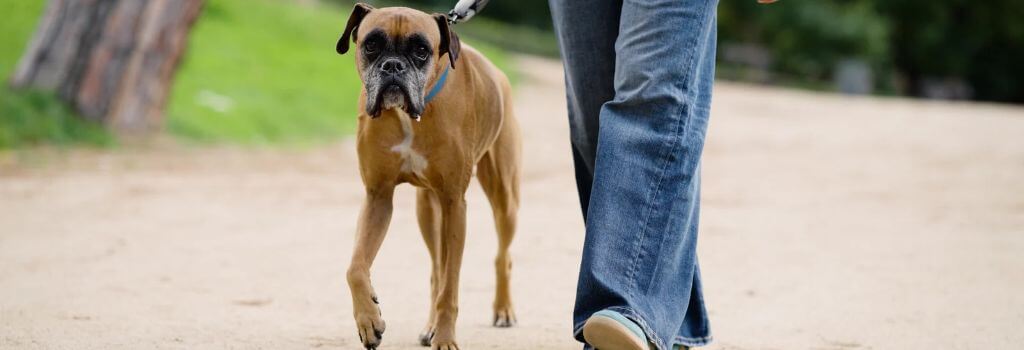
Both conditions can make everyday movements uncomfortable, which is why it isn't always easy to tell them apart at home. Hip dysplasia may cause pain because the hip joint is unstable, while osteoarthritis causes discomfort as the joint's cartilage and other tissues deteriorate. When osteoarthritis develops in a hip affected by dysplasia, both problems contribute to the same mobility changes.
You might notice your dog:
- Having difficulty standing up after lying down.
- Limping, moving stiffly, or walking differently than usual.
- Hesitating before climbing stairs, jumping, or going for walks.
- Moving both back legs together in a "bunny-hopping" pattern.
- Losing muscle around the hindquarters.
These changes can offer helpful clues, but they don't tell you exactly which condition is responsible. Sharing when the symptoms started, which activities seem difficult, and whether the changes are getting worse can help your veterinarian determine what to investigate.
How Veterinarians Tell the Difference
When your dog starts having trouble moving, a physical examination is an important first step toward understanding why. Your veterinarian evaluates your dog's gait, joint movement, muscle condition, and response to examination. For suspected hip dysplasia, this may also include checking for abnormal looseness or movement within the hip joint.
X-rays help evaluate hip structure and identify bony changes associated with osteoarthritis. Proper positioning matters for hip X-rays, so sedation or anesthesia may be needed. For younger dogs, specialized screening methods can also measure hip looseness before noticeable mobility problems develop. Your veterinarian can explain whether screening is appropriate and which imaging approach fits your dog's age and situation.
It's also important to remember that X-ray findings don't always tell the whole story. The degree of visible hip abnormality does not always match the severity of a dog's clinical signs. Treatment decisions therefore consider the examination, your dog's daily function, and imaging findings together, rather than relying on the appearance of an X-ray alone.
How Treatment Overlaps and Where It Differs
Many dogs with either condition benefit from a combination of weight management, appropriate activity, physical rehabilitation, and veterinarian-prescribed pain relief. Keeping your dog at a healthy weight can reduce the amount of strain placed on already uncomfortable joints, while controlled exercise and rehabilitation can help maintain muscle strength and mobility. A treatment plan should reflect the affected joints, your dog's overall health, and how much the condition interferes with daily life.
Managing Pain and Supporting Movement
Veterinary nonsteroidal anti-inflammatory drugs, or NSAIDs, are commonly used to manage pain and inflammation from osteoarthritis. These medications can help dogs move more comfortably, but they need to be prescribed and monitored by a veterinarian. Side effects can affect the digestive tract, kidneys, or liver, so your veterinarian may recommend blood tests and follow-up monitoring.
Never give your dog human pain relievers or medication prescribed for another pet without veterinary direction. Some medications that are safe for people can cause serious health problems in dogs. For additional information, see the U.S. Food and Drug Administration's guide to pain relievers for pets.
When Surgery May Be Considered
For some dogs with hip dysplasia, surgery may offer options that aren't available through medical management alone. However, the appropriate procedure depends heavily on your dog's age, joint development, and the degree of existing damage.
Certain joint-preserving procedures are options only for appropriately selected young dogs before significant arthritic changes develop. For dogs with more advanced hip damage or persistent pain that hasn't responded adequately to medical management, procedures such as total hip replacement or femoral head and neck ostectomy may be considered.
Surgery is not necessary for every dog with hip dysplasia. A surgical consultation helps clarify the available options, expected recovery, and limitations for the individual patient.
Supporting Your Dog's Comfort Over Time
Along with veterinary treatment, a few changes around the house can make everyday activities easier for a dog with joint problems. Nonslip rugs can provide better traction on slippery floors, while appropriately placed ramps may make it easier to get into the car or onto a favorite resting spot. Controlled, low-impact activity can also be part of management, with the exercise type and amount tailored to your dog. Your veterinarian can help you find a routine that keeps your dog moving without placing unnecessary strain on painful joints.
Osteoarthritis requires ongoing management, and hip dysplasia may also require long-term care. Follow-up visits give your veterinarian an opportunity to reassess comfort, mobility, and treatment response. If you've noticed that everyday activities like climbing stairs, going for walks, or getting up after a nap have become harder for your dog, don't dismiss these changes as a normal part of aging. An examination can help identify what's affecting your dog's mobility and provide a clearer path toward keeping them comfortable and active.
If you have questions, we would love to answer them for you. Please give us a call at the office at (502) 456-2870, or you can email us at [email protected]. Our staff would love to talk with you!
Don't forget to follow us on social media Facebook, Instagram.