
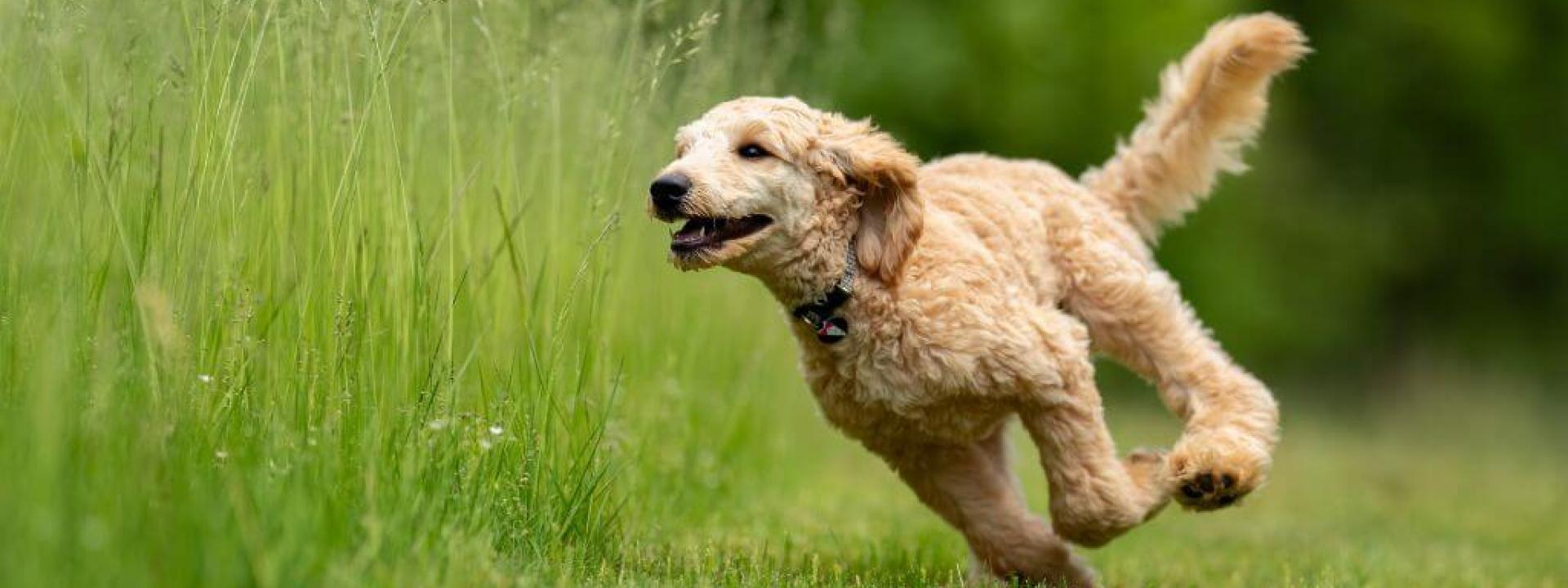
A run through tall grass can leave your dog with more than dusty paws. Foxtails and other grass awns can catch in the coat, slip between the toes, enter an ear or nostril, or puncture the skin, and once embedded, their shape may allow them to move farther into the body rather than working their way back out.
These seed heads are more common as grasses dry out during summer and late summer, though dogs can encounter them whenever mature awns are present. Sometimes the first sign is subtle, such as sneezing, shaking the head, or repeatedly licking one paw. In other cases, the initial contact may not be noticed, and symptoms can appear later as the area becomes irritated or infected.
What Are Foxtails and Grass Awns?
Foxtails are the pointed, bristled seed heads produced by certain grasses. The name comes from their bushy appearance while they are still attached to the plant. As the plants mature and dry, individual seed structures can break apart and cling to fur, fabric, or skin.
“Grass awn” is a broader term for the stiff, often barbed structures attached to grass seeds. Not every grass seed creates the same risk, but foxtails and dogs can be a concerning combination because some awns have microscopic projections that help them travel in one direction. A grass awn does not need to be swallowed to cause trouble. It may enter through the skin, nose, eye, ear canal, mouth, or other body opening. The signs owners see depend heavily on where the awn entered and how far it has moved.
Why Foxtails Can Be Difficult for a Dog’s Body to Remove
A smooth splinter may remain close to the point where it entered, but a barbed seed head can behave differently. Its pointed end helps it penetrate, while the backward-facing projections can resist movement in the opposite direction. A dog's normal activity and muscle movement may then push the material deeper, making it more difficult to remove and more likely to cause problems. The body recognizes the awn as foreign material and responds with inflammation. Bacteria carried in with the seed head may contribute to infection, swelling, pain, or drainage. An opening in the skin can partially close while the awn remains underneath, making the original entry point difficult to find.
This is why antibiotics may not fully solve the problem if a piece of plant material is still under the skin. The medication can help calm the infection or inflammation for a time, but the foxtail may continue irritating the surrounding tissue. When we suspect a foxtail, finding and removing it is an important step toward helping your dog heal and preventing the problem from returning.

Where Foxtails Commonly Become Embedded
Foxtails can find their way into several areas of a dog's body, especially after time spent running through brush, hiking, hunting, or exploring unmowed fields. Dogs with long, curly, or dense coats may be more likely to carry seed heads home unnoticed, since they can be difficult to spot before they reach the skin.
- Between the toes: An awn can work into the skin between the paw pads, causing licking, limping, swelling, or a recurring draining bump.
- Inside an ear: A seed head in the ear canal may lead to sudden head shaking, scratching, pain, or holding one ear differently.
- In the nose: Dogs may sneeze forcefully, paw at the muzzle, rub their face, or develop nasal discharge after inhaling an awn.
- Near the eyes: Foxtails can lodge beneath an eyelid or enter surrounding tissue, leading to squinting, tearing, redness, or swelling.
- Under the skin: Owners may find a painful lump, small puncture, crusted spot, or area that repeatedly swells and drains.
- In the mouth or throat: Grass material may become embedded in the lips, gums, tonsillar area, or other oral tissues and cause gagging, drooling, or difficulty eating.
- In the genital area: Awns can occasionally enter the prepuce, vulva, or nearby skin and cause licking, discharge, discomfort, or inflammation.
The place where symptoms appear may not be where the foxtail first entered. Because the seed head can move through the surrounding tissue, swelling or drainage may develop some distance from the original entry point. If a symptom keeps returning or does not improve as expected, a closer veterinary evaluation can help determine whether a foxtail or another piece of plant material may still be present.
Signs of a Foxtail in a Dog
Some signs can appear very quickly after your dog has been outdoors. A dog that inhales a foxtail may suddenly begin sneezing repeatedly after running through dry grass, while a seed head entering the ear may lead to abrupt head shaking or vocalizing. When these changes begin soon after outdoor activity, that timing can give your veterinary team a helpful clue.
Other signs may take several hours or even days to become noticeable as the area grows more irritated. Your dog might start licking one foot later in the day or develop a tender swelling after the outing. You may notice redness, a small opening in the skin, or drainage that looks blood-tinged or pus-like. When a grass awn becomes lodged between the toes, it may cause one isolated bump rather than the multiple nodules seen with some other paw conditions.
Possible signs vary by location but may include:
- Sudden, repeated, or forceful sneezing
- Nasal discharge, particularly from one nostril
- Head shaking or scratching at one ear
- Squinting, tearing, or holding an eye closed
- Licking or chewing one paw
- Limping or reluctance to bear weight
- A painful lump, puncture, or draining tract
- Persistent coughing, gagging, or difficulty swallowing
- Unexplained swelling or recurring infection
These symptoms can also occur with allergies, ear infections, nail injuries, insect stings, nasal disease, or other foreign material. Details such as when the signs began, where your dog recently explored, and whether the problem keeps returning can help your veterinarian determine whether a foxtail may be involved.
When a Foxtail Exposure Needs Veterinary Care
Contact your veterinarian promptly when your dog develops sudden sneezing, eye pain, significant head shaking, limping, swelling, or persistent licking after spending time around tall or dry grass. Early evaluation may make the awn easier to locate before it migrates farther or becomes surrounded by inflamed tissue.
Eye problems should especially be treated as time-sensitive. A dog that is squinting, pawing at the face, producing heavy tears, or holding an eye closed may have plant material trapped beneath the eyelid or damage to the eye’s surface. Do not delay care while waiting to see whether the irritation resolves.
Seek urgent care for trouble breathing, pronounced respiratory effort, collapse, repeated coughing with distress, or rapidly worsening weakness. Although these signs can have many causes, an inhaled grass awn can sometimes travel beyond the upper airway and contribute to serious internal inflammation or infection.
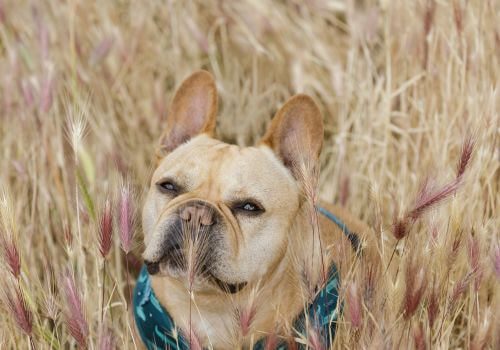
Should You Remove a Foxtail at Home?
A loose seed head resting on your dog's coat can usually be removed carefully before it reaches the skin. Once a foxtail becomes embedded, however, trying to pull out the visible portion may cause it to break and leave a fragment behind. Reaching into the skin, ear, nose, or eye can also move the awn farther in or damage the surrounding tissue.
Unless your veterinarian has recommended it, do not pour oil, peroxide, alcohol, ear cleaner, or another liquid into the affected area. It is also best not to squeeze a swelling or place tweezers inside a draining opening. You can loosely cover the area and discourage your dog from licking it while you arrange veterinary care, but an embedded awn typically needs to be examined and removed by a veterinarian.
How Veterinarians Find and Treat Grass Awns
Your veterinarian will ask where your dog has recently spent time and when you first noticed the symptoms. They may then carefully examine the paws, coat, ears, eyes, nose, mouth, or skin, depending on where the problem appears to be. If the area is painful or your dog needs to remain very still, sedation may be recommended so the examination can be completed thoroughly with less handling.
Some foxtails are visible and can be removed during the examination. Others may require special instruments that allow your veterinarian to look inside an ear canal, nasal passage, or deeper opening in the skin. If the awn has moved beneath the skin or entered the chest, abdomen, or another internal area, imaging, wound exploration, or surgery may be necessary to locate and remove it.
Treatment will depend on where the foxtail is located and whether infection has developed. Removing the plant material addresses the source of the irritation, while medication may be prescribed to manage pain, inflammation, or a secondary infection. If symptoms return after treatment, a follow-up visit is important because a fragment may still be present or another tract may have formed.
How to Reduce Foxtail Exposure in Dogs
One of the most helpful ways to reduce exposure is to avoid areas filled with mature, dry seed heads. When possible, stay on maintained walking paths and remove foxtail-producing grasses or weeds from the places where your dog spends time. Check those areas regularly, since seed heads can remain on the ground and continue to pose a risk even after the grass has been cut.
After walks, hikes, or time in overgrown areas, take a few minutes to look over your dog. Run your hands through the coat and check between each toe, around the paw pads, beneath the legs, under the collar, around the ears, and near the groin. Brushing a long or dense coat can also help you find and remove loose plant material before it works its way toward the skin.
Dogs with thick hair around the paws or ears may benefit from grooming that makes these areas easier to examine. Well-fitting protective boots can reduce contact with the paws, though they will not protect the ears, nose, eyes, or coat. If your dog tends to chew or eat dry grasses, avoiding those areas may be helpful, and your veterinarian can discuss whether training with a properly fitted basket muzzle is appropriate. The muzzle should still allow your dog to pant and drink normally.
Do Not Ignore a Small but Persistent Sign
The first indication of a foxtail may be easy to dismiss: one swollen toe, a brief sneezing fit, or an ear that suddenly seems sensitive. What makes grass awns concerning is not their size but their ability to lodge in tissue and continue moving. Symptoms that persist, recur, or begin abruptly after exposure to dry grass should be discussed with your veterinarian.
A careful post-walk check can catch many seed heads while they are still resting in the coat. Once one has entered the body, timely veterinary care gives your dog the best chance of having it located and removed before it causes a deeper problem. If you have questions and you'd like to reach out to us, you can call us directly at (502) 456-2870, or you can email us at [email protected]. Don't forget to follow us on social media Facebook, Instagram.