
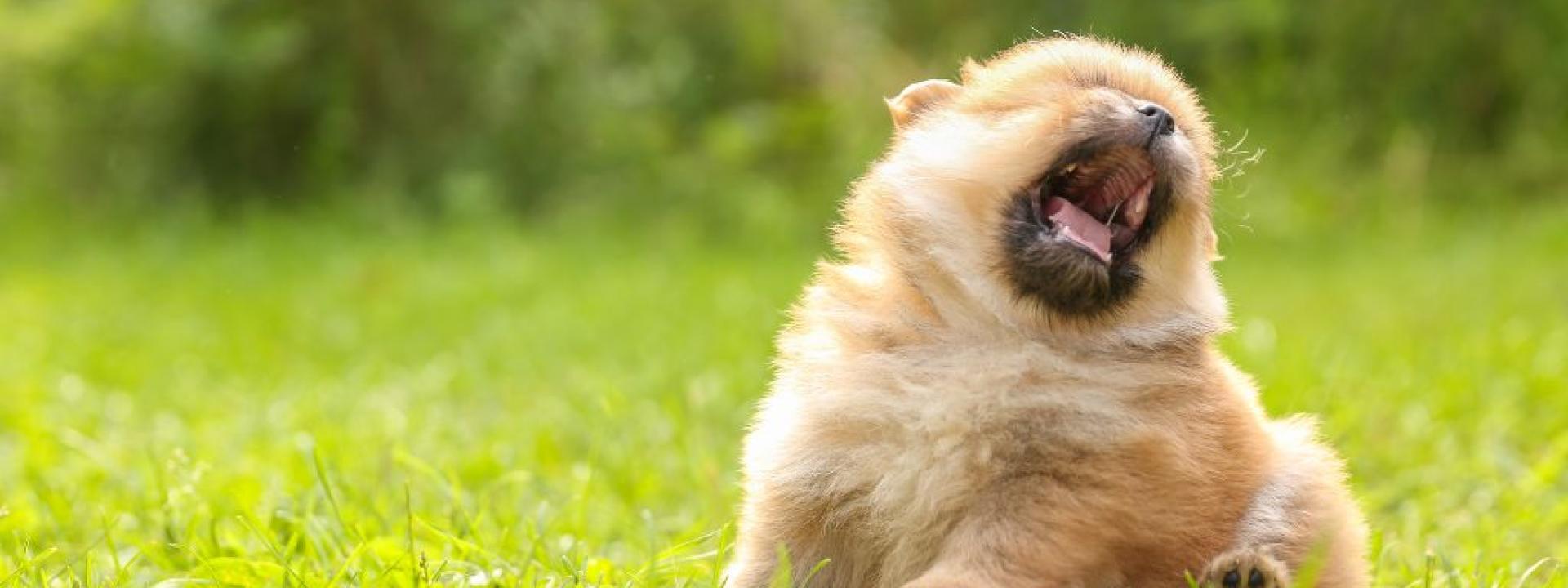
A sudden burst of loud snorting can make it sound as though your dog cannot catch their breath. They may stop moving, extend their neck, pull their lips back, and rapidly inhale through the nose several times in a row. Episodes like these can look alarming, but they may end within seconds, with your dog quickly returning to their usual behavior. This pattern is often a dog reverse sneeze, also known as paroxysmal respiration. It occurs when irritation near the back of the nose and throat triggers a series of rapid inward breaths rather than a typical outward sneeze. Although reverse sneezing in dogs is usually brief and does not mean the dog is choking, other coughs, snorts, and breathing changes can sound similar. Knowing what a typical episode looks like can help you determine when your dog may only need monitoring and when it's time to contact your veterinarian.
What Is Reverse Sneezing in Dogs?
During a regular sneeze, air is pushed forcefully out through the nose. During a reverse sneeze, a dog rapidly pulls air inward through the nose. The resulting inhalations can produce a loud snorting, honking, or choking-like sound that is often more alarming than the episode itself.
Reverse sneezing occurs when irritation near the nasopharynx, the area behind the nasal passages and above the throat, triggers a reflex. Episodes commonly resolve on their own, and many dogs act completely normal immediately afterward.
What a Dog Reverse Sneeze Looks and Sounds Like
A dog experiencing a reverse sneeze usually remains standing with the elbows slightly apart and the neck extended. The chest may expand with each forceful inhalation, while the mouth remains mostly closed. The dog may appear momentarily startled, but they usually remain conscious and responsive throughout the episode. Most episodes last only several seconds, although some continue for up to a minute. A dog may reverse sneeze once and not do it again for weeks, or have several episodes close together after encountering a particular trigger. Once the reflex passes, normal breathing should resume without prolonged weakness, confusion, or distress.
What Causes Reverse Sneezing in Dogs?
Anything that irritates the back of the nose, soft palate, or upper throat may trigger reverse sneezing dogs experience. Sometimes the cause is temporary and harmless, such as inhaling dust while sniffing the ground. In other cases, frequent episodes may indicate ongoing inflammation or another condition affecting the nasal passages.
Common possible triggers include:
- Dust, pollen, smoke, or fragrances: Airborne particles and strong odors may irritate sensitive nasal tissues.
- Excitement or rapid activity: Some dogs reverse sneeze after playing, greeting someone, or pulling excitedly on a walk.
- Eating or drinking quickly: Rapid swallowing may briefly irritate the throat or soft palate.
- Pressure around the neck: Pulling against a collar may contribute to throat irritation in some dogs.
- Postnasal drainage or nasal inflammation: Allergies, rhinitis, or an upper respiratory illness may increase irritation near the nasopharynx.
- Foreign material: A grass awn, plant fragment, or other object in the nose may cause repeated sneezing, reverse sneezing, or nasal discharge.
- Nasal mites: These parasites can cause reverse sneezing along with ordinary sneezing, facial itching, head shaking, or nasal discharge.
- Anatomical features: Dogs with shortened muzzles or an elongated soft palate may have more upper-airway noise and irritation.
It's not always possible to determine what causes reverse sneezing in dogs from one isolated episode. The surrounding circumstances are often useful. An episode that occurs immediately after sniffing a dusty corner may have a clear trigger, while increasingly frequent episodes with discharge or nosebleeds deserve a closer examination.
Is Reverse Sneezing in Dogs Dangerous?
An occasional reverse sneeze is generally brief and self-limiting. The dog may look uncomfortable during the episode, but airflow usually continues and the dog should recover promptly. Reverse sneezing itself does not usually require treatment when episodes are infrequent and the dog remains otherwise healthy.
The sound alone can be misleading, however. Coughing, gagging, tracheal collapse, airway obstruction, and respiratory distress can all create unusual noises. The difference often lies in what happens before, during, and after the event. A dog with a typical reverse sneeze returns to comfortable breathing, while a dog with a more serious airway problem may continue coughing, breathing rapidly, or struggling to move air.
How Reverse Sneezing Differs From Choking
A reverse-sneezing dog usually inhales noisily through the nose while remaining alert and upright. A choking dog may paw at the mouth, gag repeatedly, drool, panic, or have trouble moving air. Choking may also begin after chewing a toy, eating, or picking up an object. Do not reach blindly into a dog's mouth during a suspected choking episode because an object may be pushed farther back, and a frightened dog may bite. If your dog cannot breathe, has blue or gray gums, collapses, or appears unable to move air, seek emergency veterinary care immediately.
How Reverse Sneezing Differs From Coughing
A cough usually involves forceful air movement out of the lungs and may sound dry, harsh, wet, or honking. Dogs often open their mouths during a coughing spell and may gag at the end. Reverse sneezing generally occurs with the mouth closed and consists of repeated inward snorts.
Tracheal collapse, which is more common in certain small dogs, can cause a persistent honking cough rather than short inward nasal snorts. Respiratory infections may also cause coughing, sneezing, nasal discharge, low energy, or a reduced appetite. A video of the episode can help your veterinarian hear the difference.
What Should You Do During a Reverse-Sneezing Episode?
Stay calm and give your dog space to finish the episode. Excited handling can make some dogs more worked up, which may prolong the snorting. Speak quietly and move them away from smoke, perfume, dust, or another possible irritant.
Some dogs settle when the throat is gently stroked to encourage swallowing. Do not squeeze the neck, force the mouth open, or insert your fingers into the throat. Techniques that involve covering the nostrils are commonly discussed, but they should not be used when you are unsure whether the sound is truly a reverse sneeze or when your dog has an underlying breathing problem.
Once the episode stops, watch your dog for a few minutes. Breathing should become quiet and comfortable, gum color should remain pink, and normal behavior should return. Record the date, duration, possible trigger, and any accompanying signs. A short video is often more useful than trying to imitate the noise during an appointment.
When Should You Call Your Veterinarian?
A single, brief episode in a dog who feels well may only need monitoring. Veterinary evaluation becomes more important when reverse sneezing begins suddenly, occurs frequently, lasts longer than usual, or changes in character. These patterns may suggest that something is continuing to irritate the nasal passages or upper airway.
Schedule an examination if reverse sneezing occurs with nasal discharge, repeated ordinary sneezing, coughing, facial rubbing, reduced appetite, low energy, noisy breathing between episodes, or decreased interest in exercise. Blood from one or both nostrils also warrants veterinary attention. Nasal mites, chronic inflammation, foreign material, dental disease, and fungal or other nasal conditions may produce overlapping signs and cannot be identified by sound alone.
Seek emergency care when your dog continues to struggle for air after the snorting stops, breathes with an open mouth at rest, develops blue or gray gums, becomes weak, or collapses. Respiratory distress is different from a typical dog reverse sneeze and requires immediate treatment.
How Veterinarians Evaluate Frequent Reverse Sneezing
Your veterinarian will ask when the episodes began, how often they occur, and whether they follow exercise, eating, outdoor activity, or exposure to irritants. They will also listen to the heart and lungs and examine the mouth, throat, nose, and surrounding structures when possible. Videos from home can help confirm whether the event resembles reverse sneezing, coughing, gagging, or another type of respiratory noise.
Further testing depends on the dog's history and examination. Dogs with persistent nasal discharge, bleeding, facial discomfort, or one-sided symptoms may need imaging or a more detailed examination of the nasal passages. Testing may also be recommended when infection, parasites, a foreign object, or another upper-airway condition is suspected.
Treatment is directed at the underlying cause rather than the sound itself. A dog with occasional episodes and no other abnormalities may not need medication. Dogs with allergies, inflammation, parasites, or structural airway concerns require a plan tailored to the diagnosis, so avoid giving antihistamines, decongestants, or cough medicine unless your veterinarian has provided specific instructions.
What to Remember About Reverse Sneezing Dogs
Reverse sneezing in dogs can look dramatic because of the posture and forceful snorting, but a typical episode is brief and ends with the dog returning to normal. Watching whether the mouth is open or closed, noting the direction of airflow, and observing recovery afterward can help distinguish a reverse sneeze from a cough or choking event.
Frequency and accompanying symptoms matter more than volume. A loud episode is not automatically dangerous, while quieter episodes paired with nasal discharge, bleeding, or breathing changes may require investigation. When you are uncertain, record the event and contact your veterinary team. Hearing and seeing exactly what happened can help them decide what your dog needs next.
If you have questions and you'd like to reach out to us, you can call us directly at (502) 456-2870, or you can email us at [email protected]. Don't forget to follow us on social media Facebook, Instagram.