

As the days get shorter, you may notice your senior dog or cat changing their nighttime routine. Maybe your dog starts wandering the house after everyone has gone to bed, or your cat begins meowing at you in the middle of the night. It can be easy to blame the earlier sunset, but nighttime confusion in an older pet is worth paying attention to because changes in sleep, awareness, and behavior can be associated with aging, cognitive dysfunction, pain, or another medical condition.
Shorter days may make an existing problem more noticeable by changing your pet's exposure to daylight and altering the rhythm of their usual routine, but there isn't evidence that the changing seasons alone cause cognitive dysfunction. Instead, think of the seasonal shift as a reason to pay closer attention to changes that may already be developing. A senior pet who suddenly seems confused at night deserves an evaluation rather than having the behavior written off as simply getting older.
Why Do Senior Pets Seem More Confused at Night?
Older dogs and cats can develop changes in their sleep-wake cycles and cognitive function. Cognitive dysfunction syndrome, sometimes called cognitive decline, can cause disorientation, altered interactions, anxiety, house-soiling, changes in activity, and disruptions in normal sleeping patterns. Nighttime wandering, pacing, restlessness, and vocalization can be some of the more noticeable signs because they occur when the rest of the household is quiet.
The connection with nighttime may be particularly obvious in dogs. Some senior dogs sleep more during the day and then become restless or wander after dark. Cats can show a similar pattern, including sleeping much of the day and becoming active, vocal, or disoriented overnight. It's important, though, not to assume that nighttime behavior automatically means dementia. Pain, vision or hearing changes, urinary problems, endocrine disease, anxiety, and other medical conditions can cause similar changes. In senior pets, a new behavior problem is often a medical clue rather than something that should simply be accepted as part of aging.
Can Shorter Days Make Cognitive Changes More Noticeable?
Earlier darkness may be more noticeable for a senior pet whose vision, spatial awareness, or cognitive function has already changed. Natural light fades earlier, household schedules can shift, and pets may spend more time indoors. Those changes can make an existing sleep-wake problem or sensory limitation more apparent, particularly in a pet who already has difficulty navigating familiar surroundings.
That doesn't mean a shorter day is directly causing confusion. Instead, a pet with cognitive or sensory changes may have more difficulty when the environment becomes dim and familiar visual cues are reduced. A dog who normally navigates the house confidently during daylight may hesitate in a dark hallway, while a cat with declining vision may become less willing to move around a room after the lights are off.
Changes in routine can matter, too. Senior pets often benefit from predictable schedules, and an abrupt change in feeding, walking, play, or bedtime routines may add to anxiety or disorientation. Keeping the daily rhythm as consistent as practical can make changes easier for your pet to manage.
What Does Cognitive Dysfunction Look Like in Senior Dogs?
Cognitive dysfunction syndrome is associated with gradual changes in how an older dog's brain processes information. The signs can be subtle at first, which is one reason owners may notice them only after they begin interfering with sleep or daily routines.
Nighttime problems are often part of a larger pattern. Your dog may seem confused in familiar rooms, get stuck behind furniture, stare at walls or into space, stop responding to familiar cues, or become more anxious or restless. House-soiling and changes in social behavior can also occur.
Watch for patterns such as:
- Nighttime pacing or wandering: Your dog may walk around the house after bedtime without an obvious reason.
- More daytime sleeping: A disrupted sleep-wake cycle can lead to increased sleeping during the day and more activity overnight.
- Getting stuck or seeming lost: Your dog may have trouble navigating familiar spaces or figuring out how to move around an object.
- Changes in interaction: Some dogs become unusually clingy, while others become less interested in family members.
- House-soiling: A previously house-trained dog may begin urinating or defecating indoors.
- New anxiety or restlessness: Your dog may become more unsettled by sounds, separation, or changes in the environment.
One nighttime behavior by itself doesn't establish cognitive dysfunction. Veterinarians look for a pattern of behavioral changes and also work to rule out medical conditions that can produce similar signs.
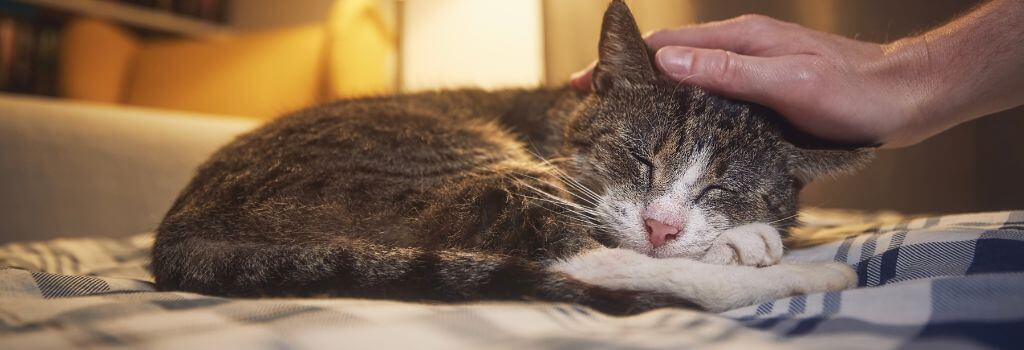
What Does Cognitive Dysfunction Look Like in Senior Cats?
Cats can develop age-related cognitive changes as well, but their symptoms may look different from what owners expect. A cat who seems confused at night may vocalize loudly, wander through the house, stare at walls, or appear uncertain about where to go. Some cats become more demanding for attention, while others withdraw.
Changes in litter box habits can also be important. A senior cat who begins urinating or defecating outside the litter box may have cognitive changes, but urinary disease, kidney disease, arthritis, and other medical problems can cause the same behavior. That's why a new litter box problem should be investigated rather than automatically attributed to aging.
Nighttime vocalization deserves particular attention when it is new or becoming more frequent. Cats can become more vocal with cognitive dysfunction, but pain, hyperthyroidism, hypertension, vision changes, and anxiety can also contribute. A veterinary examination can help separate these possibilities.
Could Pain Be Making Your Senior Pet Restless at Night?
Pain is one of the most important alternatives to consider when a senior pet stops sleeping comfortably. Arthritis can make it difficult for an older dog or cat to settle into one position, rise after resting, or move around without discomfort. A pet who seems confused may actually be trying to find a comfortable place to lie down.
You may notice other clues during the day. Your dog might hesitate before using stairs, jump less often, or take longer to stand. Your cat may stop jumping onto furniture, groom less effectively, change sleeping locations, or become reluctant to move around the house. Cats are particularly good at hiding pain, so subtle changes in normal habits can be meaningful.
Nighttime restlessness can also occur when a pet needs to urinate more frequently or is experiencing gastrointestinal discomfort. Kidney disease, diabetes, urinary tract disease, and other conditions can affect overnight behavior. A senior pet who suddenly starts waking the household should therefore receive a medical evaluation before the behavior is assumed to be cognitive decline.
What About Vision and Hearing Changes?
Age-related changes in vision and hearing can make nighttime navigation more difficult. A pet who can no longer see or hear as well may startle more easily when approached, hesitate in unfamiliar lighting, or seem less confident moving through the house. These changes can overlap with cognitive dysfunction, which is another reason a complete examination matters.
Try to avoid moving furniture around unnecessarily and give your pet a consistent path between their bed, food and water, and bathroom area. For dogs who wander or become stuck, blocking access to stairs or spaces behind furniture can reduce opportunities for them to become disoriented.
Nightlights can also help some senior pets navigate after dark. A small amount of consistent lighting in hallways or near stairs may be particularly useful for pets whose vision has declined. The goal is to make familiar spaces easier to navigate without creating more changes for your pet to process.
How Can You Help a Senior Pet Who Gets Confused at Night?
Start by making nighttime as predictable as possible. Feed meals, provide bathroom breaks, and settle your pet for bed around the same times each day. For dogs, an additional short walk before bedtime may provide an opportunity to eliminate and add gentle activity without encouraging strenuous exercise. For cats, quiet play earlier in the evening may help maintain a more predictable daily rhythm.
Keep sleeping areas comfortable and easy to reach. An older pet with arthritis may prefer a bed that doesn't require climbing or jumping, while a senior cat may benefit from keeping food, water, and a litter box close to their preferred resting areas. Good traction on slippery floors can also help dogs who are unsteady or stiff.
Don't punish a pet for nighttime wandering, vocalizing, or house-soiling. If cognitive or medical changes are involved, your pet isn't choosing to be difficult. Responding calmly and keeping the environment predictable is generally more useful than correcting behavior they may not be able to control.
When Should Your Senior Pet See a Veterinarian?
Any significant new behavior change in a senior pet is worth discussing with your veterinarian. This is especially true when nighttime confusion is accompanied by changes in appetite, thirst, urination, mobility, weight, grooming, hearing, vision, or social behavior.
Your veterinarian may perform a physical and neurological examination and recommend blood and urine testing to look for conditions that can mimic or contribute to cognitive dysfunction. In dogs, veterinary guidance specifically recommends ruling out problems such as pain, arthritis, seizure disorders, systemic disease, and sensory loss when cognitive changes are suspected.
Seek more urgent care when confusion appears suddenly or is accompanied by collapse, severe weakness, repeated vomiting, trouble breathing, seizures, an inability to stand, or other major changes. Sudden neurological or behavioral changes aren't typical of slowly developing cognitive dysfunction and can have a different underlying cause.
How Is Cognitive Dysfunction Managed?
There is no single treatment that works for every senior pet with cognitive dysfunction. Management is generally based on the individual animal's signs, health conditions, environment, and quality of life. Depending on the diagnosis, treatment may include environmental changes, enrichment, dietary strategies, and prescription medication.
Early attention can be helpful because your veterinarian can address other sources of discomfort while also establishing a baseline for future changes. Keeping a simple record of nighttime waking, pacing, vocalization, house-soiling, appetite, and mobility can make gradual changes easier to recognize.
Don't start supplements or medications on your own simply because a product is marketed for senior pets or cognitive health. Your veterinarian can help determine which options are appropriate, particularly because older animals frequently have multiple conditions or take other medications.
Make Fall Nights Easier for an Aging Pet
Shorter days may make some existing nighttime or navigation problems more noticeable because your pet has less exposure to daylight and may encounter changes in their usual routine. The important question is whether your pet's behavior represents a new change in sleep, cognition, pain, sensory function, or another aspect of their health.
Keep their routine predictable, make important areas easy to navigate, use gentle lighting when needed, and pay attention to patterns rather than one unusual night. When a senior dog or cat begins pacing, vocalizing, wandering, or seeming disoriented after dark, bring those observations to your veterinarian. A closer look can help identify what is behind the change and determine how to make your pet's nights more comfortable.
If you have questions and you'd like to reach out to us, you can call us directly at (502) 456-2870, or you can email us at [email protected]. Don't forget to follow us on social media Facebook, Instagram.