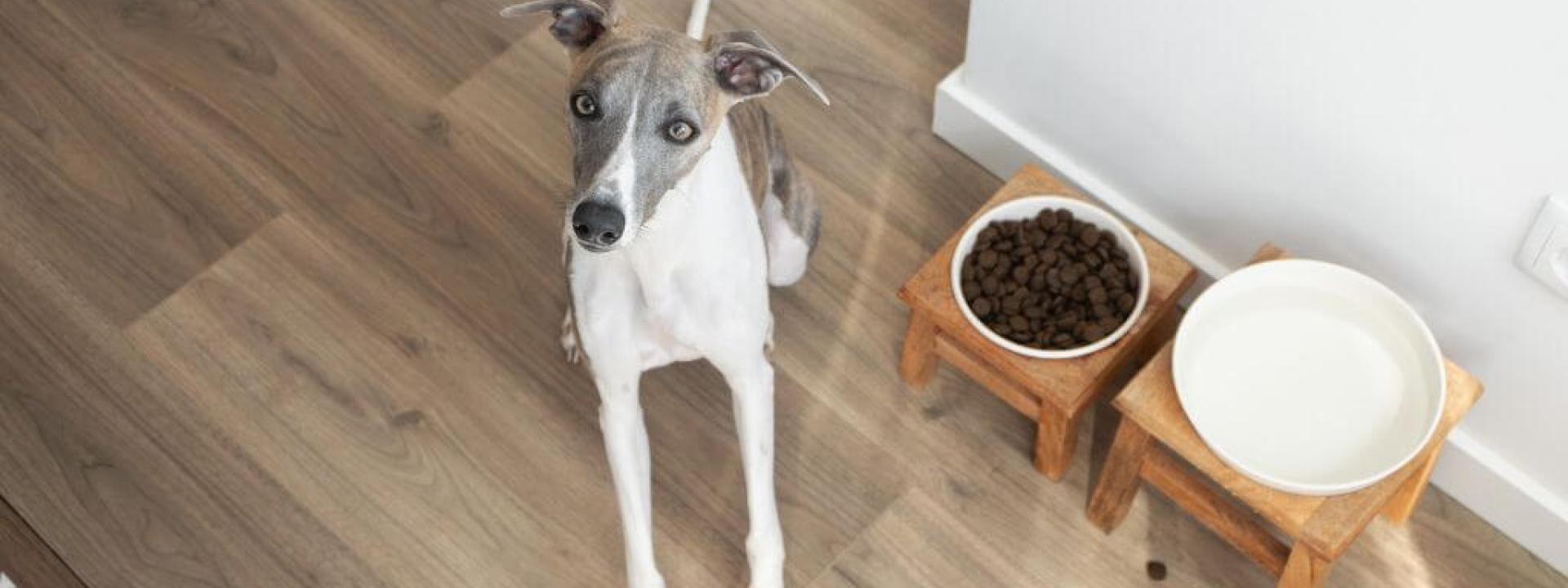
When your pet suddenly turns away from a meal they usually enjoy, it can be easy to wonder whether they are simply being picky. Some dogs and cats do have strong food preferences, and an occasional change in appetite may not mean that something is wrong. But when eating habits noticeably change, especially when the change persists or appears alongside other symptoms, it is worth taking a closer look.
A reduced appetite can occur for many reasons, including dental discomfort, nausea, pain, stress, medication side effects, and underlying illness. Cats deserve particular attention when they stop eating because prolonged food refusal can contribute to serious complications. Knowing your pet's normal eating habits and watching for other changes can help you recognize when a veterinary exam is warranted.
When Does Picky Eating Become a Concern?
Some pets have always been selective about food. They may prefer one texture or flavor, lose interest in a food after eating it for a while, or become more enthusiastic about meals when treats are involved. If your pet has consistently behaved this way while maintaining an appropriate body condition, normal energy, and adequate food intake, their preferences may simply be part of their individual routine.
A sudden change is different. A pet who normally eats eagerly but begins leaving food behind, refusing certain foods, or eating noticeably less may be experiencing something beyond simple pickiness. In fact, decreased appetite can be associated with many illnesses, and cats with dental disease may appear picky because eating is uncomfortable.
Pay particular attention when appetite changes continue or your pet seems unwell in other ways. Puppies, kittens, senior pets, and animals with existing medical conditions may need closer monitoring because changes in food intake can be more significant in these patients.
Watch for Other Signs That Something May Be Wrong
Your pet's appetite is only one part of the picture. A dog or cat who suddenly becomes selective about food may show other subtle changes that provide important clues about what is happening. Take note of anything that seems different from your pet's normal behavior or routine.
- Vomiting, diarrhea, constipation, or other changes in bowel movements
- Drooling, bad breath, dropping food, or difficulty chewing
- Weight loss or a noticeable change in body condition
- Increased or decreased thirst or urination
- Lethargy, hiding, restlessness, or reduced interest in normal activities
- Signs of discomfort while eating or swallowing
These changes do not point to one specific diagnosis. Dental disease, gastrointestinal problems, pain, infection, organ disease, stress, and medication effects can all influence how much a pet wants to eat. When several symptoms appear together, or a change continues instead of resolving, a veterinary evaluation becomes more important.
Why Might a Pet Suddenly Stop Eating?
There are many possible reasons for a change in appetite, which is why it can be difficult to determine the cause at home. Dental problems may make chewing painful. Nausea or digestive disease can make food less appealing, while pain somewhere else in the body can also reduce a pet's interest in eating.
Stress can affect appetite, too. Changes in the household, travel, boarding, a new pet, or other environmental disruptions may cause some animals to eat less. Certain medications can also alter appetite. Because so many unrelated issues can produce similar signs, a noticeable appetite change should be considered in the context of your pet's overall health.
Why Cats Need Special Attention
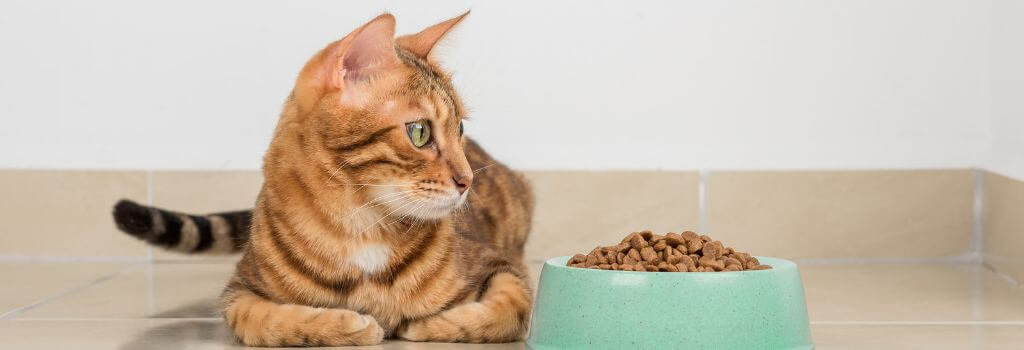
Cats should not be left for prolonged periods without adequate food intake. A sustained decrease in eating can be associated with hepatic lipidosis, a potentially serious liver disorder, particularly in overweight cats. Merck Veterinary Manual notes that poor appetite or food deprivation can contribute to this condition and that nutritional support is an important part of treatment.
If your cat has stopped eating, do not assume they are simply holding out for a preferred food. Contact your veterinarian for guidance, particularly if the appetite change continues, your cat is losing weight, or other symptoms are present. A cat that has not eaten properly for about 24 hours warrants prompt veterinary attention.
What Happens During a Veterinary Exam?
Your veterinarian will start by looking at the bigger picture. They may ask when the appetite change began, what your pet normally eats, whether they are still drinking, and whether you have noticed vomiting, diarrhea, weight changes, or behavior changes. They will also perform a physical examination that may include checking the mouth and teeth, listening to the heart and lungs, assessing hydration, feeling the abdomen, and evaluating overall body condition.
The next steps depend on what the examination reveals. Some pets may need no testing if there is a straightforward explanation and their appetite quickly returns. Others may need blood or urine testing, dental evaluation, imaging, or additional diagnostics to identify an underlying problem.
The goal is not simply to convince your pet to eat again. It is to determine why their appetite changed and address the problem causing it.
How to Prepare for Your Pet's Appointment
A little information from home can make your pet's appointment more productive. Keep track of when you first noticed the change and whether your pet is eating less overall or simply refusing a particular food. If possible, note approximately how much they are actually consuming rather than only whether they finished a bowl.
It can also help to write down changes in water intake, vomiting, diarrhea, urination, activity, medications, treats, and access to unfamiliar foods or objects. Bring the packaging for any new food or medication when relevant. A short video of unusual eating behavior, such as dropping food or repeatedly approaching and backing away from the bowl, may also give your veterinarian useful information.
Try to avoid cycling through multiple new foods simply to persuade your pet to eat unless your veterinarian recommends a specific dietary change. Constantly changing options can make it difficult to determine how much your pet is actually consuming and may complicate an already sensitive digestive system.
What You Can Do While You Monitor Your Pet
If your pet is otherwise acting normally and has only occasionally skipped part of a meal, you can keep a closer eye on their intake and behavior. Offer their usual food on their normal schedule and monitor whether they return to eating. Avoid relying heavily on treats or table foods to replace regular meals unless your veterinary team recommends a specific strategy.
Most importantly, pay attention to your pet rather than focusing only on the food bowl. A dog who eats less but is otherwise bright, comfortable, and drinking normally is a different situation from a dog who refuses food while vomiting and acting lethargic. The same is true for cats, particularly because prolonged reduced food intake can become medically significant.
When a Veterinary Exam Is the Right Next Step
Picky eating is not always a medical problem, but a meaningful change in appetite deserves your attention. You know how your pet normally eats, so you are often the first person to notice when something feels different. A persistent decrease in food intake, unexplained weight loss, trouble chewing, repeated vomiting, lethargy, or other new symptoms are all good reasons to contact your veterinarian.
Rather than assuming your pet is simply being stubborn, consider what the change may be telling you. Sometimes the answer is as simple as a strong food preference. Other times, appetite changes are an early sign of pain or illness that needs treatment. Paying attention and seeking veterinary guidance when something does not seem right can help your pet get the care they need.
If you have questions, we would love to answer them for you. Please give us a call at the office at (502) 456-2870, or you can email us at [email protected]. Our staff would love to talk with you!
Don't forget to follow us on social media Facebook, Instagram.