
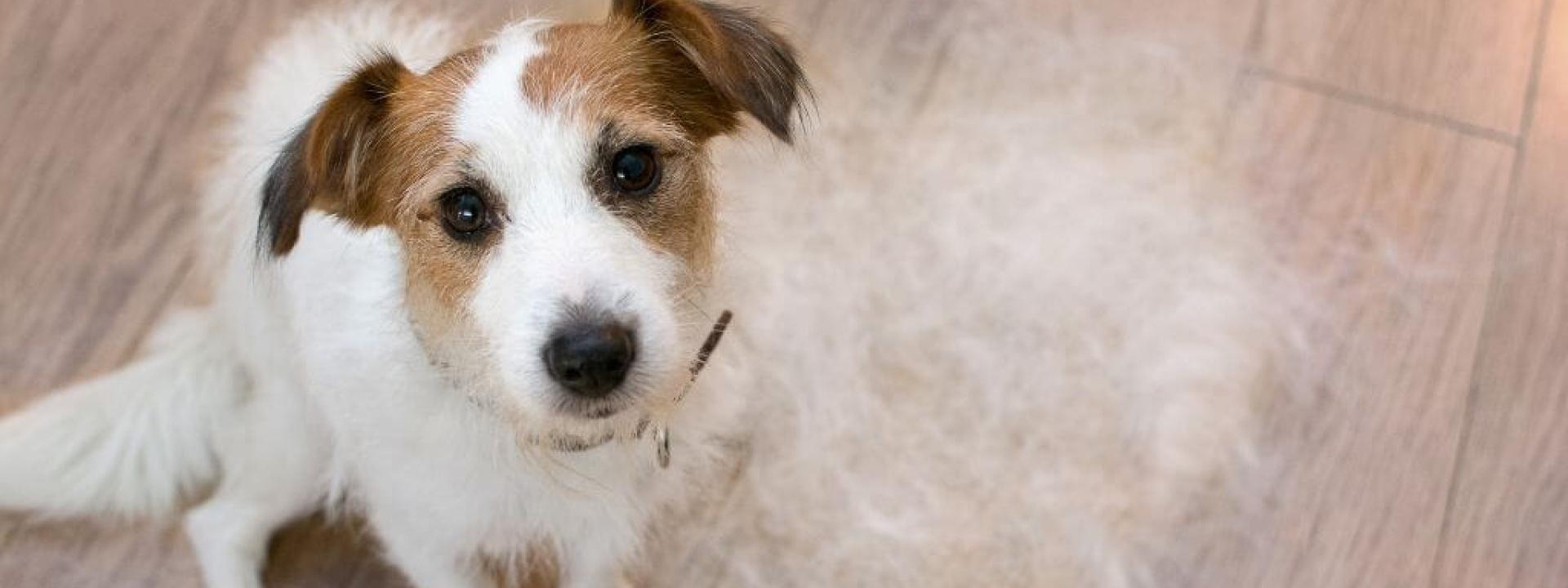
Pet hair has a way of collecting on clothing, furniture, and floors almost as quickly as you can clean it. Dogs and cats naturally shed old hair as their coats grow and change, but the amount of loose fur can vary considerably between individual pets. A consistent grooming routine can help you manage pet shedding while giving you regular opportunities to notice changes in your pet's skin or coat. For households affected by allergies, it is also important to understand that the fur itself is not usually the primary allergen.
Why Do Dogs and Cats Shed?
Shedding is the normal process of releasing older or damaged hair so new hair can grow. A pet's coat type, breed, age, health, and environment can all affect how noticeable that process becomes. Some dogs and cats lose small amounts of hair throughout the year, while others shed much more heavily during certain seasons.
Pets with thick undercoats may release large amounts of loose fur as temperatures and daylight patterns change. Indoor lighting and climate control can make seasonal patterns less predictable, so some indoor pets appear to shed steadily throughout the year. Long hair does not necessarily mean a pet sheds more, but longer strands are often easier to see around the home.
Normal Shedding vs. Concerning Hair Loss
Normal shedding generally leaves an even coat with healthy-looking skin underneath. Hair loss that creates bald spots, exposes irritated skin, or occurs alongside frequent scratching may point to something other than routine shedding. Contact your veterinarian when shedding is accompanied by redness, scabs, sores, odor, excessive dandruff, greasy skin, or repeated licking and chewing. Fleas, allergies, skin infections, hormonal disorders, pain, and other health conditions can contribute to abnormal hair loss. A veterinary examination is the appropriate next step because grooming alone will not address an underlying medical cause.
Brush Regularly to Reduce Pet Hair Around the Home
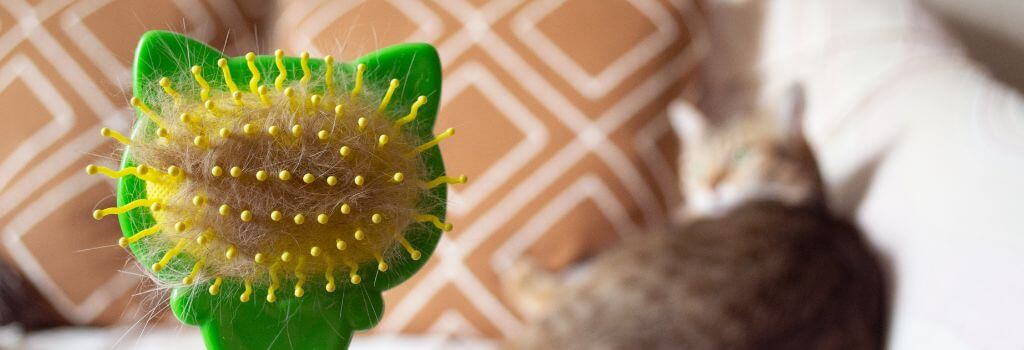
Brushing collects loose hair before it lands on carpets, bedding, and upholstery. It can also remove small tangles and debris while giving you a closer look at the skin. The most appropriate schedule depends on your pet's coat, although pets with dense, long, or easily tangled hair typically need more frequent attention.
Choose grooming tools based on coat texture rather than using the same brush for every pet. A rubber grooming mitt or soft-bristle brush may work well for many short-haired pets. Longer coats may require a comb, pin brush, or slicker brush to reach loose hair and identify tangles close to the skin.
- Brush in the direction the hair naturally grows and use light pressure.
- Work in brief sessions when introducing a pet to a new grooming routine.
- Stop if your pet shows pain or if you find tightly matted hair, sores, or irritated skin.
- Clean grooming tools regularly so they do not collect oil, debris, and loose hair.
Positive reinforcement can make brushing easier for both you and your pet. Offer a small treat, praise, or a favorite activity during and after cooperative handling. Forcing a frightened or uncomfortable pet to remain still can make future grooming more difficult, so gradual practice is often more productive than completing the entire coat in one session.
Use Bathing Carefully as Part of Coat Care
Bathing may loosen dead hair and remove dirt, saliva residue, and environmental particles from the coat. However, there is no universal bathing schedule that is appropriate for every dog or cat. Coat type, lifestyle, skin health, and any prescribed dermatologic treatment should guide how often a pet is bathed.
Use a shampoo formulated specifically for the species and follow the label or your veterinarian's directions. Human shampoos and strongly scented household products may irritate a pet's skin. Rinse the coat thoroughly because shampoo residue can contribute to itching, and dry your pet completely without using excessive heat.
Many healthy cats rarely need routine baths because they groom themselves. Older cats, cats with mobility limitations, and pets with certain medical conditions may need help maintaining their coats. Speak with your veterinarian before starting frequent baths or medicated products, particularly when your pet already has itching, dandruff, hair loss, or recurrent skin problems.
Support Healthy Skin & Coat Through Nutrition
A complete and balanced diet provides the protein, fats, vitamins, and minerals needed for normal skin and hair growth. Poor nutrition can affect coat quality, but adding random supplements to an already balanced diet is not necessarily helpful. The safest approach is to choose food formulated for your pet's species and life stage and discuss any persistent coat concerns with your veterinarian.
Omega-3 fatty acids are sometimes recommended for pets with particular skin conditions, but the product, dose, and expected benefit depend on the individual patient. Supplements may add calories, interact with health conditions, or cause digestive side effects. Ask your veterinarian before giving fish oil, fatty-acid products, vitamins, or other coat supplements.
Fresh water should remain available throughout the day. Changes in appetite, thirst, weight, energy, or grooming behavior can provide useful information when coat changes develop. Be sure to mention these signs during your pet's appointment rather than treating shedding as an isolated cosmetic concern.
How to Manage Pet Dander & Indoor Allergens
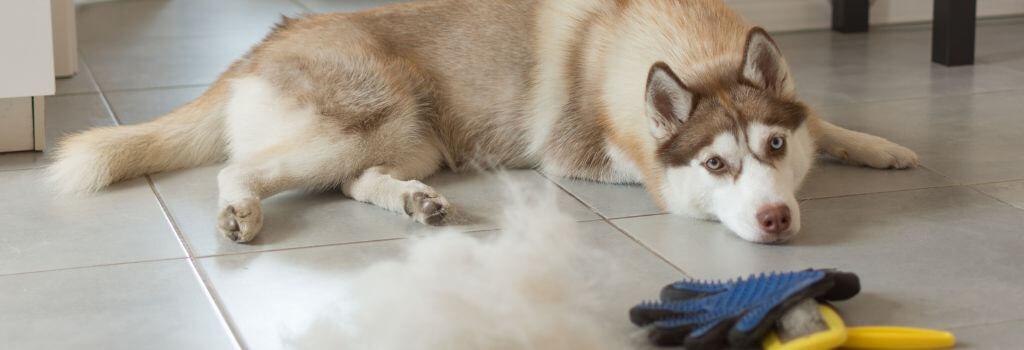
Pet allergies are usually reactions to proteins found in an animal's dander, saliva, or urine rather than to the hair itself. Fur can carry those proteins and may also collect pollen, mold particles, and dust. This is why removing visible pet hair may help with household cleanliness without completely eliminating allergy symptoms.
Regular cleaning can reduce the amount of hair and allergen-containing debris that accumulates indoors. Concentrate on areas where your pet sleeps or spends the most time, including upholstered furniture and rugs. Washable covers can make frequently used surfaces easier to maintain.
- Vacuum floors, rugs, furniture, and baseboards regularly with a machine designed to contain fine particles.
- Wash pet bedding and washable blankets routinely according to their care instructions.
- Keep pets out of the bedroom of a household member with pet allergies.
- Use appropriate air filtration and replace filters according to the manufacturer's instructions.
- Wash your hands after grooming or prolonged handling, especially before touching your face.
Bathing or wiping a pet may temporarily remove some material from the coat, but it should not replace medical allergy care. A physician or allergist can help household members determine whether symptoms are related to pets or another indoor allergen. Seek medical attention promptly for breathing difficulty, wheezing, or a severe allergic response.
Create a Pet Shedding Routine You Can Maintain
Managing dog shedding or cat shedding works best when grooming and cleaning become regular habits rather than occasional large projects. Keep a suitable brush near the area where your pet relaxes, schedule short grooming sessions, and wash bedding before hair becomes deeply embedded. Small, repeated steps are usually easier for pets to tolerate and easier for owners to maintain.
Pay attention to your pet's normal pattern so you can recognize meaningful changes. A sudden increase in hair loss, persistent itching, bald patches, or abnormal skin deserves veterinary attention. Your veterinarian can assess the coat, look for parasites or infection, and recommend testing or treatment when needed.
Pet hair may always be part of sharing your home with a dog or cat, but it does not have to cover every surface. Appropriate brushing, careful bathing, balanced nutrition, and focused household cleaning can reduce loose fur while supporting your pet's skin and coat. Just as importantly, routine grooming gives you another chance to notice concerns before they become harder to overlook.
If you have questions, we would love to answer them for you. Please give us a call at the office at (502) 456-2870, or you can email us at [email protected]. Our staff would love to talk with you!
Don't forget to follow us on social media Facebook, Instagram.