
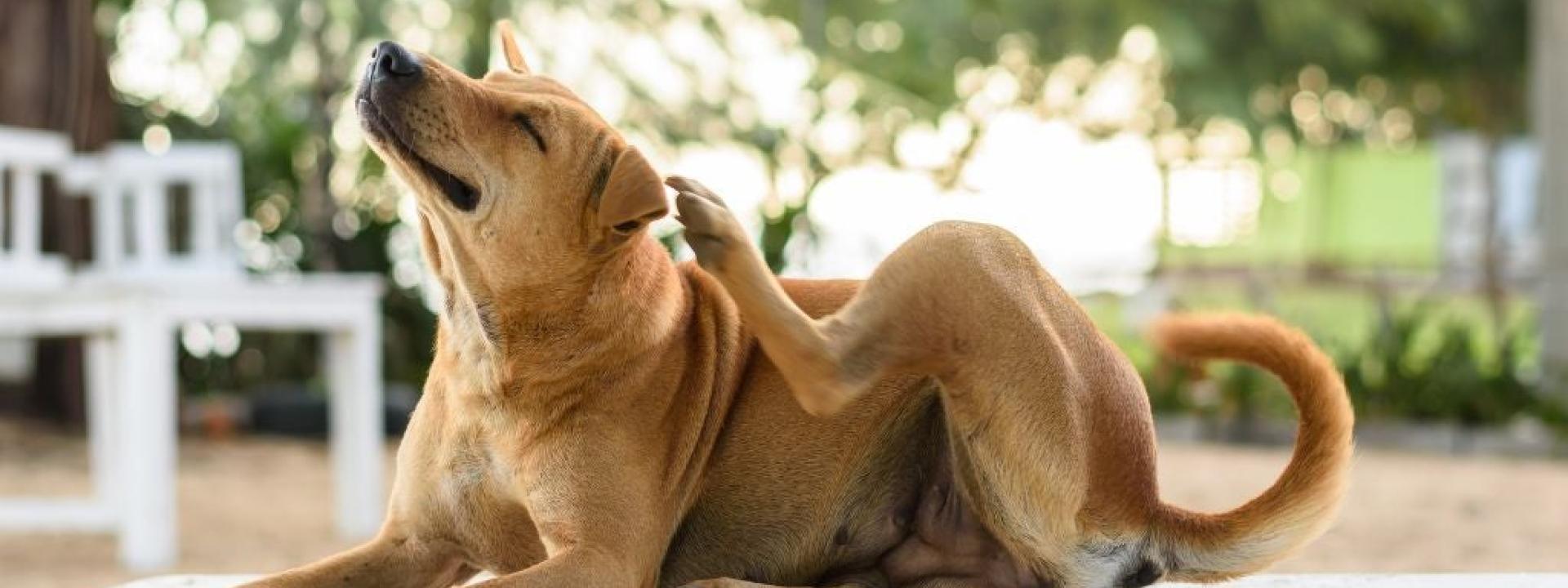
You are petting your dog or cat and notice tiny black specks in their fur. At first, it may look like regular dirt, especially if your pet has been outside, rolling around, or exploring under furniture. But sometimes those dark specks are not dirt at all. They may be flea dirt, which is one of the most common clues that fleas are present.
Flea dirt can be easy to miss, especially on pets with dark or thick coats. It may look like pepper flakes, soil, or tiny bits of debris near the skin. Knowing how to tell the difference between flea dirt and regular dirt can help you act sooner, protect your pet from irritation, and talk with your veterinarian about the right flea control plan.
What Is Flea Dirt?
Flea dirt is flea feces. More specifically, it is digested blood that adult fleas leave behind after feeding on a dog or cat. That is why flea dirt does not behave like regular dirt when it gets wet. The wet paper towel test, which we'll discuss more later on, has been identified as a way to help confirm suspected flea dirt: when black specks from the pet’s coat dissolve into a reddish-brown color on a wet paper towel, the specks are likely flea dirt because they contain digested blood.
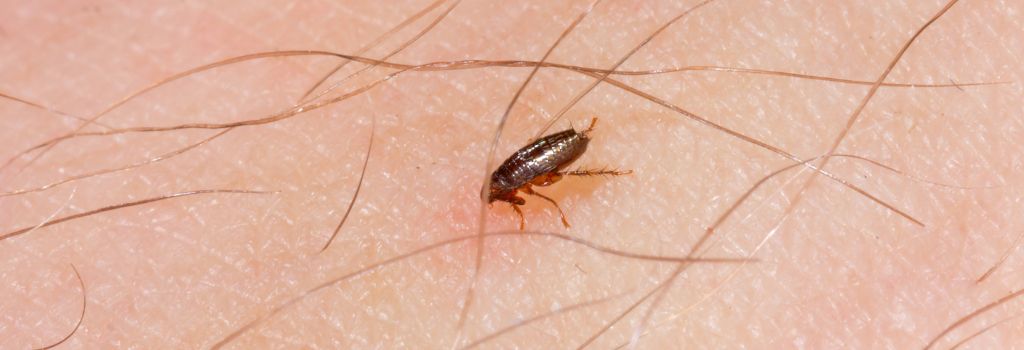
Finding flea dirt usually means fleas have been feeding on your pet, even if you do not see live fleas moving through the coat. Adult fleas can be quick, and some pets groom themselves well enough that owners find the evidence before they find the fleas.
Flea Dirt vs. Regular Dirt: What Does It Look Like?
Flea dirt often looks like tiny black or dark brown specks. Many people compare it to ground pepper. It is commonly found close to the skin rather than sitting loosely on the outer coat, although some specks may shake out when you comb or part the fur.
Regular dirt is usually more variable. It may be gray, tan, brown, or gritty, depending on where your pet has been. It often brushes away more easily and does not usually create a reddish-brown stain when wet.
Where Flea Dirt Commonly Shows Up
Flea dirt can appear anywhere on the body, but it is often easier to find in areas where fleas like to feed and hide. Check near the base of the tail, along the lower back, around the belly, inside the thighs, around the neck, and behind the ears. In cats, flea dirt may be harder to find because many cats groom frequently.
Part the hair gently and look close to the skin. A flea comb can be helpful, especially for pets with thick, long, or dark coats. Comb a small section, then tap the comb onto a white paper towel so you can see any specks more clearly.
How to Do the Wet Paper Towel Test
The wet paper towel test is a simple way to check suspicious specks at home. It does not replace a veterinary exam, but it can help you decide whether what you are seeing may be flea dirt rather than regular debris.
Choose a calm time when your pet is relaxed. If your pet is uncomfortable, itchy, or sensitive about being handled, keep the session short and gentle. You do not need to comb the whole body at once.
- Collect the specks: Use a flea comb, regular comb, or your fingers to gather a few dark specks from your pet’s coat.
- Place them on white material: Put the specks on a white paper towel, tissue, or cotton pad.
- Add water: Dampen the paper towel or add a few drops of water directly onto the specks.
- Watch for color change: Flea dirt often dissolves into a reddish-brown stain. Regular dirt usually stays brown, gray, or black without the same red-brown halo.
- Check more than one area: If the first sample is unclear, try again near the tail base, belly, or neck.
If you see a reddish-brown stain, it is reasonable to suspect fleas. Even if you do not see live fleas, your pet may still need treatment, and other pets in the home may need to be checked too.
Why Flea Dirt Matters for Your Pet’s Health
Flea dirt is more than a cosmetic issue. It is a sign that fleas may be feeding on your pet. Flea bites can cause itching, skin irritation, hair loss, and scabs, especially in pets who are sensitive or allergic to flea saliva.
Some pets develop flea allergy dermatitis, which can cause intense itching from even a small number of bites. These pets may chew at the back half of the body, lick the belly or inner thighs, or develop crusts and redness around the tail base. Cats may overgroom and lose hair without obvious scratching.
Fleas can also affect the home environment. Flea eggs are laid in the host’s coat and can fall into bedding, carpet, soil, and other areas where immature stages develop. This is why flea control often needs to include the pet, other animals in the household, and the places where pets rest.
What to Do If You Find Flea Dirt
If you find flea dirt, contact your veterinarian or ask about a flea product that is appropriate for your pet’s species, age, weight, health history, and lifestyle. Dogs and cats cannot always use the same products, and some ingredients that are used in certain dog products can be dangerous for cats.
Avoid mixing flea products unless your veterinarian tells you to do so. Using multiple treatments together, using the wrong dose, or applying a dog product to a cat can create health risks. Your veterinary team can help you choose a product that fits your pet and your household.
Bathing Alone Usually Is Not Enough
A bath may remove some flea dirt and live fleas from the coat, but it does not address the whole flea life cycle. If fleas are developing in bedding, rugs, furniture, or other areas, your pet may continue to be exposed.
Wash pet bedding, vacuum areas where your pet spends time, and continue using veterinary-recommended flea control as directed. Successful flea treatment also needs to focus on interrupting the flea life cycle in the home and yard to avoid future infestations.
When to Call Your Veterinarian About Fleas
Call your veterinarian if your pet is very itchy, has red or irritated skin, is losing hair, has scabs, seems uncomfortable, or has repeated flea problems despite treatment. You should also call if you find flea dirt on a puppy, kitten, senior pet, or a pet with an existing medical condition.
Young, small, or medically fragile pets may be more vulnerable when fleas are feeding on them. Pale gums, weakness, heavy flea burden, or low energy should be treated as more urgent, especially in puppies and kittens.
Your veterinarian may recommend flea treatment, skin care, parasite testing, or an exam to check for secondary skin infection. If your pet has been chewing or scratching for a while, treating the fleas may be only one part of getting their skin comfortable again.
How to Reduce the Chance of Flea Dirt Coming Back
The best way to avoid flea dirt is to reduce your pet’s exposure to fleas and use consistent flea protection. This often works better than waiting until you see fleas or flea dirt because fleas can multiply in the home before they are obvious.
Keep all dogs and cats in the household on veterinarian-recommended flea control unless your veterinarian advises otherwise. If one pet has flea dirt, it is worth checking every pet in the home. Fleas can move between animals, and some pets show signs sooner than others.
It also helps to keep pet resting areas clean. Wash bedding regularly, vacuum floors and furniture, and empty the vacuum canister or bag after cleaning. If your pet spends time outdoors, ask your veterinarian whether your local flea risk changes by season or whether year-round protection is a better fit.
A Simple Test Can Help You Know What You’re Seeing
Flea dirt and regular dirt can look very similar at first. The difference is what happens when the specks get wet. If the debris turns reddish brown on a damp white paper towel, it is likely flea dirt, which means fleas may be feeding on your pet.
If you are not sure what you are seeing, or if your pet is itchy, uncomfortable, or developing skin changes, contact your veterinarian. Finding flea dirt early gives you a chance to address the problem before fleas become harder to manage in your home.
If you have questions and you'd like to reach out to us, you can call us directly at (502) 456-2870, or you can email us at [email protected]. Don't forget to follow us on social media Facebook, Instagram.