
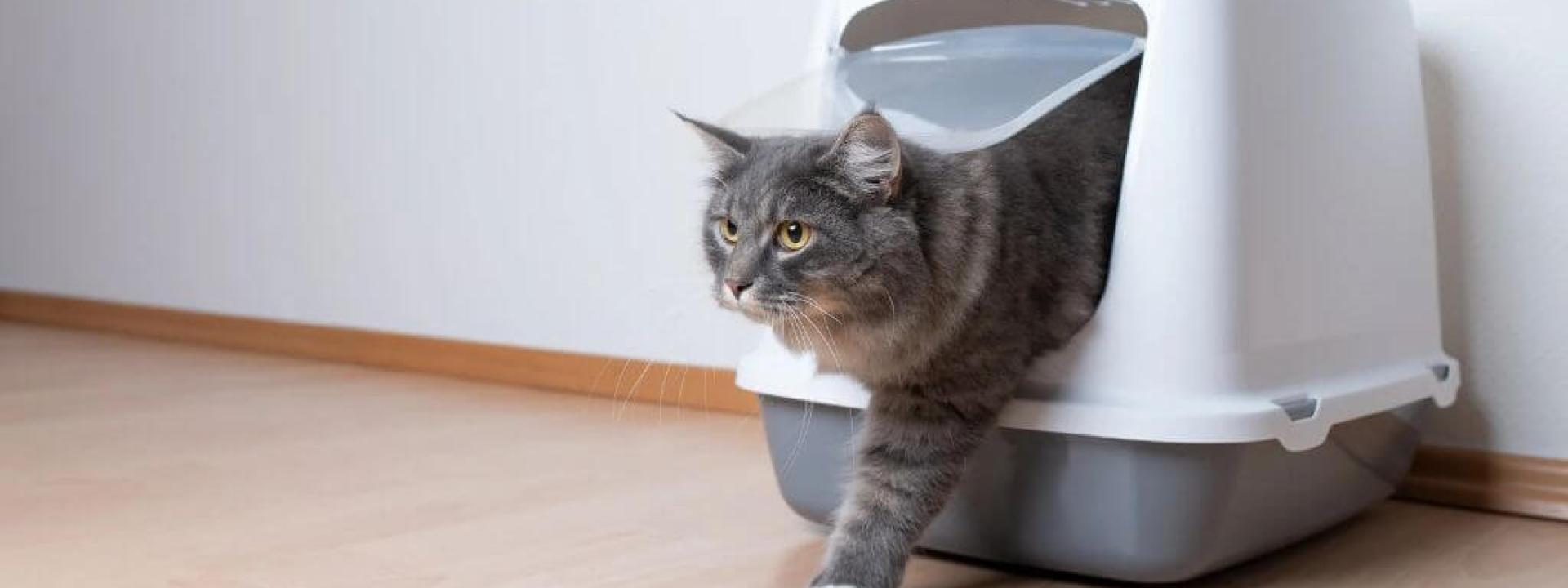
Hearing that your cat has crystals in their urine can raise plenty of questions. Does this mean they have bladder stones? Will they need medication or a special diet? The answers depend on more than just the presence of crystals. Crystals in cat urine are a finding on a laboratory test, and their significance depends on the type of crystals, your cat's symptoms, and other examination results. Understanding what those findings mean can help you and your veterinarian decide whether treatment is needed or whether monitoring is enough.
If your cat repeatedly strains to urinate but produces little or no urine, seek emergency veterinary care immediately. A urinary blockage requires urgent treatment, regardless of whether crystals have previously been found.
What Are Crystals in Cat Urine?
Your cat's urine naturally contains dissolved minerals and other substances. Under certain conditions, some of these substances can come together and form tiny crystals. The medical term for this finding is crystalluria. Your veterinarian identifies these particles by examining a urine sample under a microscope.
Although crystals and urinary stones are related, they aren't the same thing. Crystals are microscopic particles, while stones are larger, solid accumulations of minerals that develop in the urinary tract. Crystals can contribute to stone formation, but finding them doesn't automatically mean your cat has stones or will develop them. In fact, some cats have crystals without any signs of urinary disease, while others can develop stones even when crystals aren't present in a urine sample. This is why your veterinarian considers the full urinalysis and your cat's health rather than relying on one finding alone.
What Causes Crystals in Cat Urine?
The urine sample itself can also affect the results. Crystals sometimes develop after urine has been collected, especially if the sample cools or sits for too long before examination. This means the crystals seen under a microscope don't always reflect what was happening inside your cat's bladder. Your veterinarian may recommend checking a fresh sample if storage or handling could have affected the initial results.
Sample handling matters, too. Crystals can develop after urine leaves the body, especially when the sample cools or sits before examination. Your veterinarian may recommend testing a fresh sample when storage-related changes could affect interpretation. A result from an older sample may not accurately represent conditions inside your cat's bladder.
Struvite and Calcium Oxalate Crystals
Two of the most common types of crystals found in cat urine are struvite and calcium oxalate. Knowing which type is present matters because they form under different conditions and may require different approaches to treatment.
Struvite crystals contain magnesium, ammonium, and phosphate. They are more likely to form in neutral to alkaline urine. Some healthy cats have struvite crystals without showing any urinary problems. However, when these crystals are repeatedly found in fresh urine, particularly alongside urinary symptoms, your veterinarian may recommend additional evaluation or dietary changes.
Calcium oxalate crystals are another type your veterinarian may identify. Their presence, particularly when persistent, can indicate an increased risk of calcium oxalate stone formation. However, finding this type of crystal doesn't confirm that your cat has a stone. Additional testing may be needed to evaluate the urinary tract and determine whether treatment is appropriate.
Signs of Urinary Problems in Cats
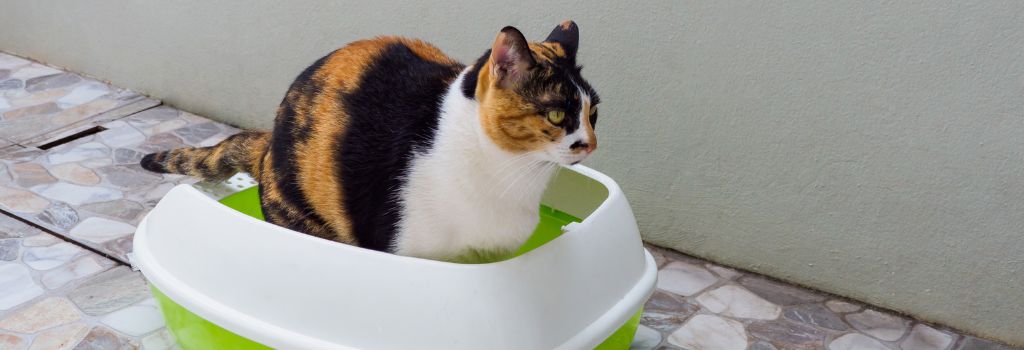
Sometimes, crystals are discovered during routine testing even when your cat seems perfectly comfortable. In other cases, cats have noticeable changes in their litter box habits or behavior. The important thing to remember is that these symptoms don't tell you exactly what's happening. Crystals, bladder stones, inflammation, infections, and other urinary conditions can cause similar signs.
Contact your veterinarian promptly if you notice any of these changes:
- More frequent trips to the litter box.
- Straining, discomfort, or crying during urination.
- Blood in the urine.
- Urinating outside the litter box.
- Repeated licking around the genital area.
When Urinary Straining Is an Emergency
One of the most important urinary problems to recognize in cats is a urethral obstruction, or blockage. This happens when something prevents urine from leaving the bladder through the urethra, the tube that carries urine out of the body. Male cats are particularly vulnerable because their urethra is narrower. Stones, mucus, cells, and other material can combine to form plugs that interfere with urine flow.
A blocked cat may repeatedly visit the litter box, strain, and produce only a few drops or no urine at all. As the blockage continues, urine builds up in the body, and dangerous changes in kidney function and electrolyte levels can develop.
Do not wait for a routine appointment or try a diet change at home if you suspect your cat has a blockage. Seek emergency veterinary care immediately. If you cannot tell whether your straining cat is actually passing urine, contact a veterinarian for urgent guidance.
How Veterinarians Evaluate Urinary Crystals
When crystals appear in your cat's urine, a urinalysis helps your veterinarian understand what's happening. The veterinary team examines the sample under a microscope and looks at more than just the crystals. Urine concentration, pH, blood cells, and other findings can help determine whether the result is incidental or part of a urinary problem that needs attention.
Your observations at home also matter. Tell your veterinarian when the changes started, how often your cat is visiting the litter box, and whether they're producing normal amounts of urine. It's also helpful to share information about your cat's food, medications, supplements, and any previous urinary problems. These details provide important context when interpreting test results.
When Additional Testing Helps
Depending on the urinalysis and your cat's symptoms, your veterinarian may recommend additional testing. X-rays or ultrasound can help identify bladder stones and evaluate other parts of the urinary tract. Bloodwork may also be useful for checking kidney function and looking for abnormalities that can contribute to certain types of stones, such as elevated calcium levels associated with calcium oxalate formation.
If a bacterial infection is suspected, a urine culture can help determine whether bacteria are present and guide antibiotic selection. Crystals alone do not mean your cat has a urinary tract infection or needs antibiotics. If stones are removed, laboratory analysis can identify their mineral composition, helping your veterinarian choose appropriate treatment and prevention strategies.
How Are Crystals in Cat Urine Treated?
Finding crystals doesn't always mean your cat needs medication or immediate treatment. An otherwise healthy cat with an incidental finding may simply need monitoring or a follow-up urinalysis. However, persistent crystalluria, urinary discomfort, bladder stones, or an obstruction may require a more specific treatment plan. Your veterinarian will consider the type of crystals present, your cat's symptoms, and any other test results when making recommendations.
A therapeutic urinary diet may be recommended for certain types of crystals or stones. These diets are formulated to change the conditions within the urine that encourage mineral formation. Some are designed to help dissolve specific types of stones, while others support long-term urinary health and reduce the risk of recurrence. Follow your veterinarian's feeding instructions, including recommendations about treats and other foods, because the overall diet can affect how well the plan works.
Why Stone Type Changes the Treatment Plan
One reason identifying the type of urinary stone matters is that some can be dissolved with a prescription diet, while others cannot. Many feline struvite bladder stones can be dissolved through a specially formulated diet that changes the urinary environment. Your veterinarian will monitor progress with follow-up testing and imaging to determine whether the stones are shrinking and eventually clearing.
Calcium oxalate stones are different. They cannot be dissolved with diet, so surgical or other procedural removal may be necessary when treatment is indicated. A veterinarian may still recommend a specific diet afterward to help reduce the risk of additional stones forming. If your cat develops a urinary blockage, emergency treatment is needed to restore urine flow. Changing food cannot resolve an obstruction at home.
Supporting Your Cat's Urinary Health at Home
Helping your cat stay hydrated is an important part of many urinary care plans. Your veterinarian may recommend feeding an appropriate wet diet, adding water to your cat's food, or providing additional drinking stations around the house. Some cats also prefer drinking from a fountain rather than a bowl. These options can encourage water intake and help produce more dilute urine, although the best approach depends on your cat's specific condition.
Your cat's environment matters, too. Provide clean, accessible litter boxes in quiet areas where your cat feels comfortable using them. Keeping a consistent routine and providing safe spaces to rest can also help reduce environmental stress. These adjustments are particularly useful when bladder inflammation or feline idiopathic cystitis is part of your cat's urinary history. Environmental support complements veterinary treatment rather than replacing it.
Avoid adding urinary acidifiers or supplements without veterinary guidance. Different mineral problems call for different approaches, and making urine more acidic isn't appropriate for every cat. Keep recommended recheck appointments so your veterinarian can assess your cat's response to treatment and adjust the plan when needed.
If you have questions, we would love to answer them for you. Please give us a call at the office at (502) 456-2870, or you can email us at [email protected]. Our staff would love to talk with you!
Don't forget to follow us on social media Facebook, Instagram.