
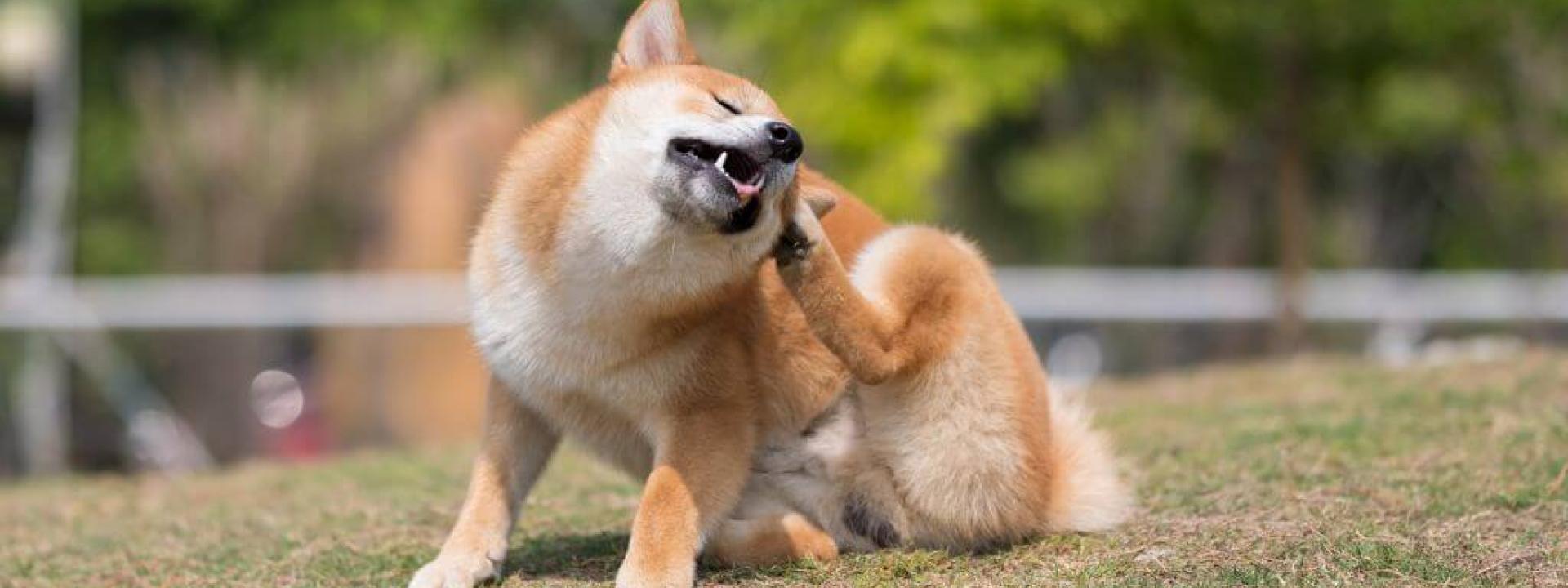
As cooler weather arrives, you may notice your dog scratching more often or your cat developing a few extra flakes in their coat. It's easy to wonder whether dry air is to blame, especially as outdoor humidity drops and many pets spend more time in heated indoor environments. While seasonal changes can contribute to dry, irritated skin in some dogs and cats, they are only one of several possible explanations.
The challenge is that mild seasonal dryness can look similar to the early signs of allergies, parasites, infections, or other skin conditions. Understanding how those conditions overlap—and what changes deserve closer attention—can help you decide whether simple environmental adjustments may be enough or if it's time for a veterinary visit.
What Does Dry Skin Look Like in Dogs & Cats?
Mild seasonal dryness can be easy to miss at first. You may notice small flakes on the coat, a little dandruff when you brush your pet, or skin that looks less smooth than usual. Some pets may scratch occasionally or seem mildly irritated, particularly after spending time in a heated indoor environment.
These changes can be especially noticeable after the weather becomes colder and drier or when your pet is spending more time in heated indoor spaces. Mild dryness may come and go with those environmental changes rather than steadily progressing, which is one reason it's helpful to pay attention to when you first notice a difference.
Why You Should Not Assume Winter Dryness Is the Cause
Dogs and cats can develop itchy or irritated skin for many reasons. Parasites such as fleas and mites, bacterial or yeast infections, allergies, and other dermatologic conditions can all produce signs that may initially look similar to simple dryness. In some cases, an underlying skin problem can also lead to secondary infection, making the irritation more noticeable over time.
Allergies are especially important to consider when itching is significant or keeps coming back. Environmental allergies can affect both dogs and cats, while flea-related allergies can cause substantial skin irritation. Seasonal patterns can also occur with allergic skin disease, so the fact that symptoms begin in fall or winter does not automatically mean the air is responsible.
This is why the pattern matters. Occasional flaking with otherwise normal skin is different from a pet that is scratching frequently, losing hair, developing sores, or having recurring episodes. A veterinary examination can help separate environmental dryness from conditions that require targeted treatment.
Signs That May Point to More Than Seasonal Dryness
While mild dryness may show up as small changes in the skin or coat, there are other signs that can suggest something more than a seasonal response. Dry, flaky skin is more concerning when it is accompanied by other noticeable changes. Consider contacting your veterinarian when you see:
- Persistent or intense scratching, licking, chewing, or rubbing
- Red or inflamed skin
- Hair loss or thinning patches
- Scabs, sores, crusts, or areas that appear painful
- Unusual skin or coat odor
- Greasy skin or significant scaling
- Repeated skin flare-ups
- Symptoms that continue or worsen instead of settling down
These signs do not point to one specific diagnosis. They indicate that the skin may be responding to an underlying problem that needs to be identified.
What Can Help With Dry Skin in Dogs & Cats?
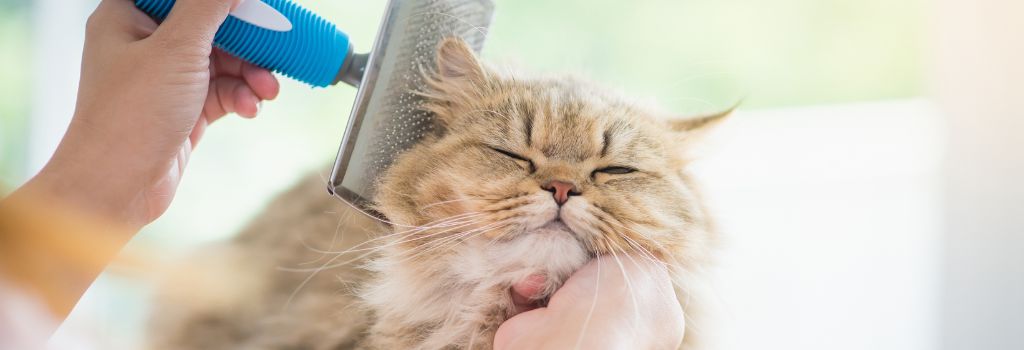
When environmental dryness appears to be contributing to mild skin irritation, simple changes to the home environment and grooming routine may help. Keeping indoor humidity from becoming excessively low can be useful during heating season. It is also important to avoid making the skin drier through unnecessary bathing or the use of inappropriate products.
For dogs, veterinarians generally recommend shampoos formulated specifically for canine skin rather than human shampoos, which can be too harsh because dogs have different skin characteristics. Frequent bathing may also contribute to irritation by removing protective oils from the skin and coat. For cats, routine bathing is usually unnecessary unless there is a specific reason or a veterinarian has recommended it.
When Should Your Pet See a Veterinarian for Skin Problems?
A vet visit is appropriate when skin changes are persistent, severe, recurrent, or accompanied by other symptoms. This is particularly important when your pet is scratching intensely, developing wounds, losing hair, producing an unusual odor, or showing signs of discomfort.
Veterinary dermatology often involves looking for the underlying trigger rather than treating the appearance of the skin alone. Depending on the findings, an evaluation may include checking for parasites, looking for bacterial or yeast overgrowth, and considering allergic or other skin conditions. Identifying the cause can help guide treatment instead of simply trying to manage the flakes or itching temporarily.
Keeping an Eye on Your Pet's Skin Through the Colder Months
Fall and winter can bring noticeable changes to your pet’s skin and coat, particularly when cold outdoor conditions are paired with heated indoor air. Mild flaking or dryness may occur in some pets during the colder months, but paying attention to how those changes develop over time can provide valuable clues about whether simple environmental changes are enough or whether veterinary care is warranted.
Pay attention to how your pet is feeling, how often the symptoms occur, and whether the skin is becoming red, irritated, sore, or hairless. When symptoms persist or become more pronounced, a veterinary evaluation can help determine whether you are seeing seasonal dryness or a condition that needs specific care.
If you have questions, we would love to answer them for you. Please give us a call at the office at (502) 456-2870, or you can email us at [email protected]. Our staff would love to talk with you!
Don't forget to follow us on social media Facebook, Instagram.